Winsor McCay
Comic strip genius and animation pioneer. Winsor McCay drew Little Nemo in Slumberland and made some of the first great animated films, including Gertie the Dinosaur. His life and methods.
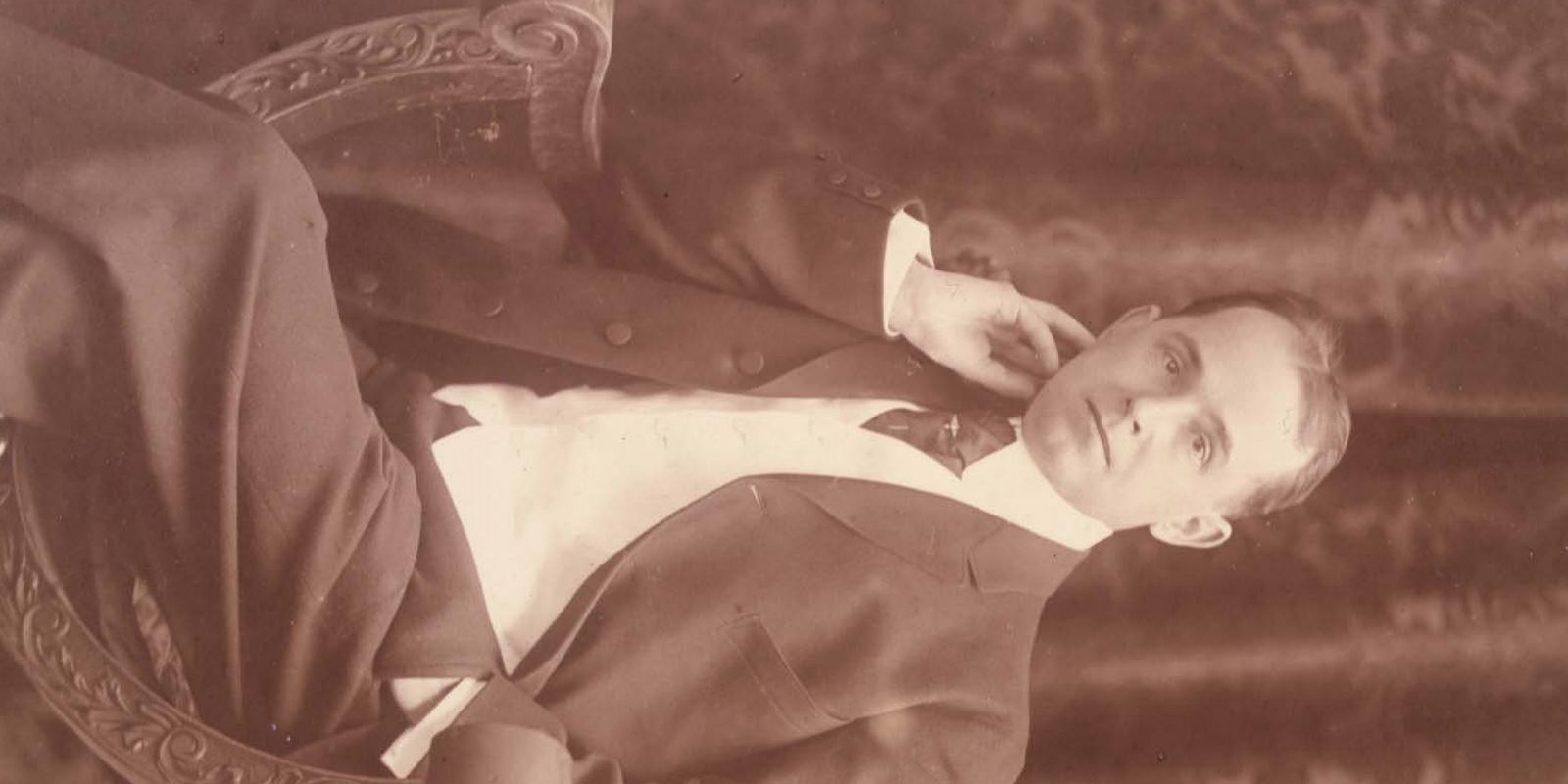
Winsor McCay in 1906: Ohio State University [3], CC BY-SA 4.0
A born draughtsman
Winsor McCay grew up in Michigan and drew constantly from childhood. He worked painting posters and signs for circuses and dime museums and then as a newspaper illustrator in Cincinnati, where he learned to draw fast and accurately. His exact birth year is uncertain, because records give different dates.
Little Nemo
In 1905 McCay began Little Nemo in Slumberland in the New York Herald. Each week a boy named Nemo had a fantastic dream that ended with him falling out of bed. The strip's huge full-page panels, art nouveau designs and daring perspectives are still admired by artists today. McCay also performed vaudeville chalk-talk acts, drawing on stage for live audiences.
Making drawings move
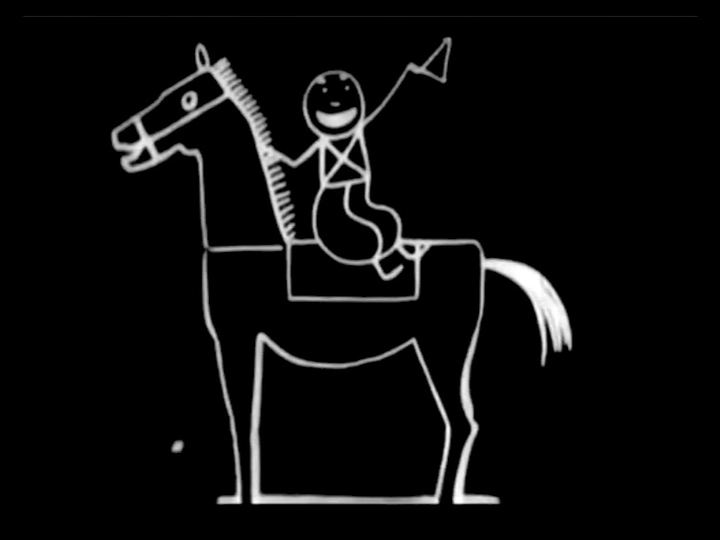
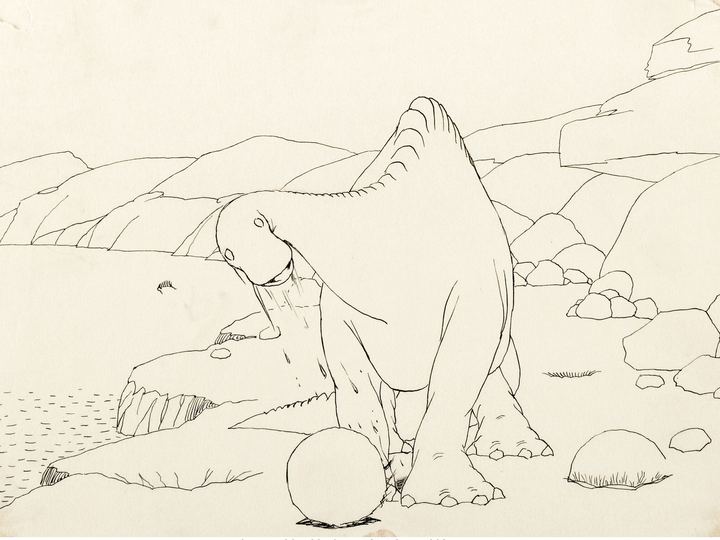
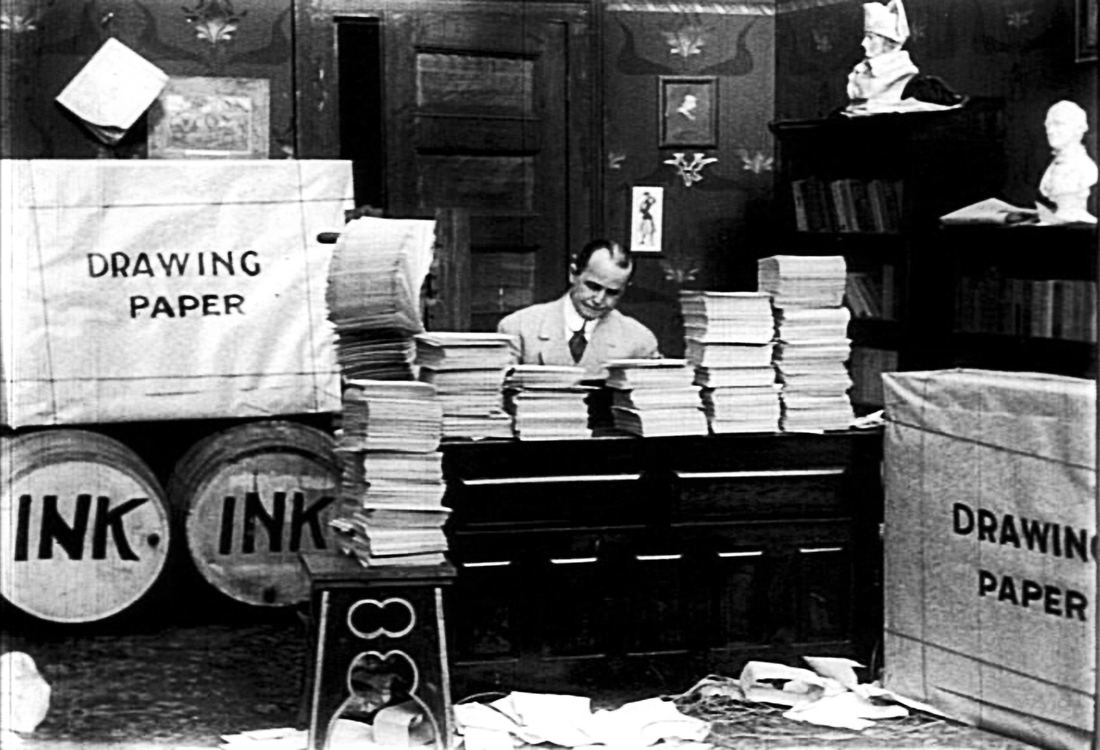
McCay decided to animate his characters, and his film Little Nemo (1911) used about 4,000 drawings, hand-colored on the film. How a Mosquito Operates (1912) followed. Then came Gertie the Dinosaur (1914), which he presented in his stage act: McCay gave Gertie commands, and on screen she seemed to obey, even catching an apple he appeared to throw.
His methods
McCay drew every frame himself on rice paper, with an assistant tracing the backgrounds, which is why the backgrounds wobble slightly. He used registration marks to line up drawings, reused cycles of movement, and worked out timing carefully so that Gertie's breathing and weight felt real. These ideas, from cycles to careful timing, became basic tools of the animation industry.
A lasting influence
Later studios moved to faster methods like cels, but McCay's personality animation, a character with feelings and moods, set the goal. The Annie Awards present the Winsor McCay Award for lifetime contribution to animation. Read our Gertie the Dinosaur page for the full story of his star.
Where to start
Gertie the Dinosaur (1914) is the essential film, and it survives in restored versions. Little Nemo (1911) shows his first experiment, with a live-action prologue in which his friends bet he cannot make drawings move. His fantasy shorts of the early 1920s, such as The Flying House, show how ambitious he became.
Did you know? McCay's Little Nemo strips are so prized that original pages sell for large sums at auction, and many artists consider the strip one of the most beautiful comics ever drawn.
- Winsor McCay in 1906: Ohio State University [3], CC BY-SA 4.0
- From McCay's Little Nemo, 1911: Winsor McCay, Public domain
Text written by Fantastic Cartoon.
← J. Stuart Blackton and Funny FacesMax Fleischer and Fleischer Studios →