Max Fleischer and Fleischer Studios
Inkwells, bouncing balls and jazz. The Fleischer brothers invented the rotoscope, the bouncing ball sing-along and Betty Boop, and brought Popeye to the screen. A rival to Disney.
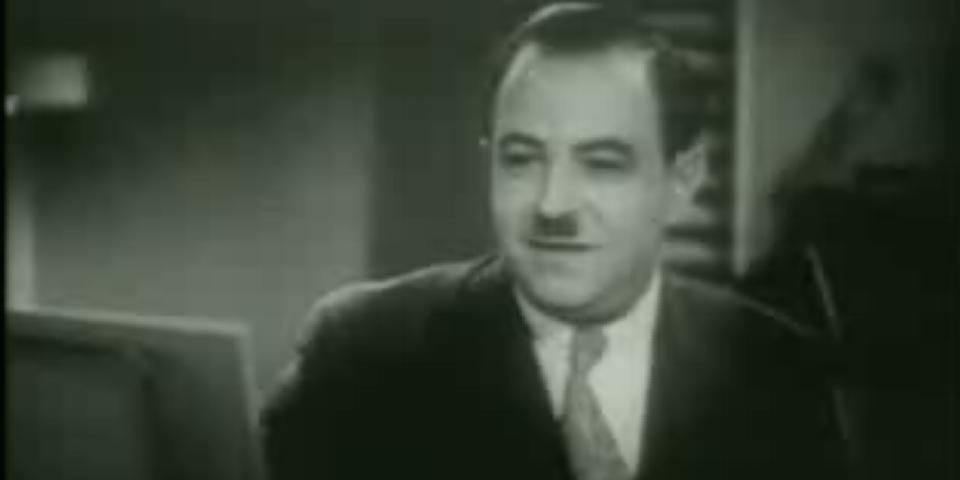
Max Fleischer: Max Fleischer himself, Public domain
An inventor in Brooklyn
Max Fleischer was born in 1883 in Krakow and grew up in Brooklyn, New York. He worked as a cartoonist and technical illustrator and loved machines. Around 1915 he and his brother Dave built the rotoscope, a device that projected live-action film onto a drawing table so animators could trace realistic movement frame by frame. The patent was granted in 1917.
Out of the Inkwell
Dave Fleischer was filmed dancing in a clown suit, and Max traced the footage to create Koko the Clown. The Out of the Inkwell series mixed live action and drawings: Koko climbed out of an ink bottle on Max's desk and played tricks on his creator. The films were witty, inventive and very different from the gag cartoons of the time.
Follow the bouncing ball
The brothers' Song Car-Tunes of the mid-1920s showed song lyrics on screen with a bouncing ball hopping from word to word, so cinema audiences could sing along. Some were released with synchronized sound using the De Forest Phonofilm system, years before most studios made sound cartoons.
Betty Boop and Popeye
Fleischer Studios' cartoons of the early 1930s were full of jazz, surreal jokes and New York energy. Betty Boop became a star, often appearing with music from jazz greats such as Cab Calloway. In 1933 the studio brought Popeye the Sailor from the comic strips to the screen, and his cartoons became hugely popular. The studio's stereoptical process placed drawn characters in front of real three-dimensional model sets on a turntable for a sense of depth.
Features and the end
The studio moved to Miami in 1938 to make feature films, Gulliver's Travels (1939) and Mr. Bug Goes to Town (1941). They were expensive and did not earn enough, and the distributor Paramount took control of the studio in the early 1940s, renaming it Famous Studios. The Fleischers' inventive, rubbery style still inspires animators today. Read our rotoscoping page for the story of Max's most famous invention.
Where to start
Look for the restored Out of the Inkwell shorts, which mix live action and animation in playful ways, and for a 1930s Betty Boop cartoon with a jazz soundtrack. The early Popeye cartoons from 1933 onward are full of mumbled side jokes from the voice actors and detailed backgrounds made with the stereoptical process.
- Max Fleischer: Max Fleischer himself, Public domain
Text written by Fantastic Cartoon.