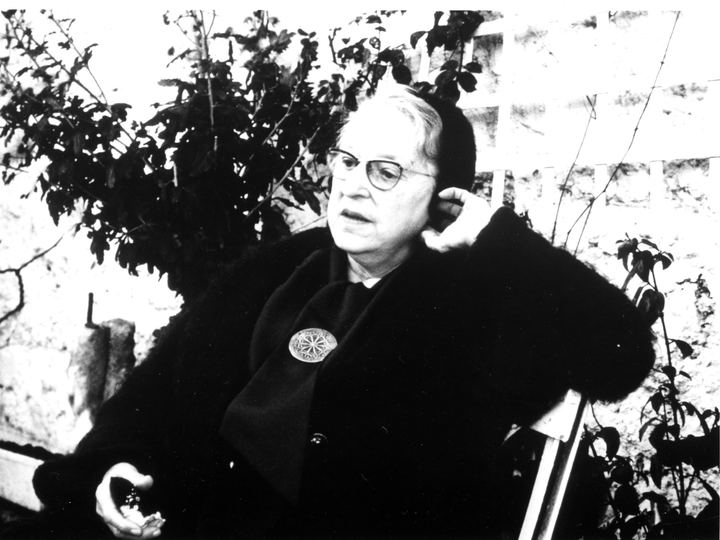
Richard Williams
The animator's animator. Richard Williams directed the animation of Who Framed Roger Rabbit, won three Oscars and wrote The Animator's Survival Kit, a must-have handbook for students.
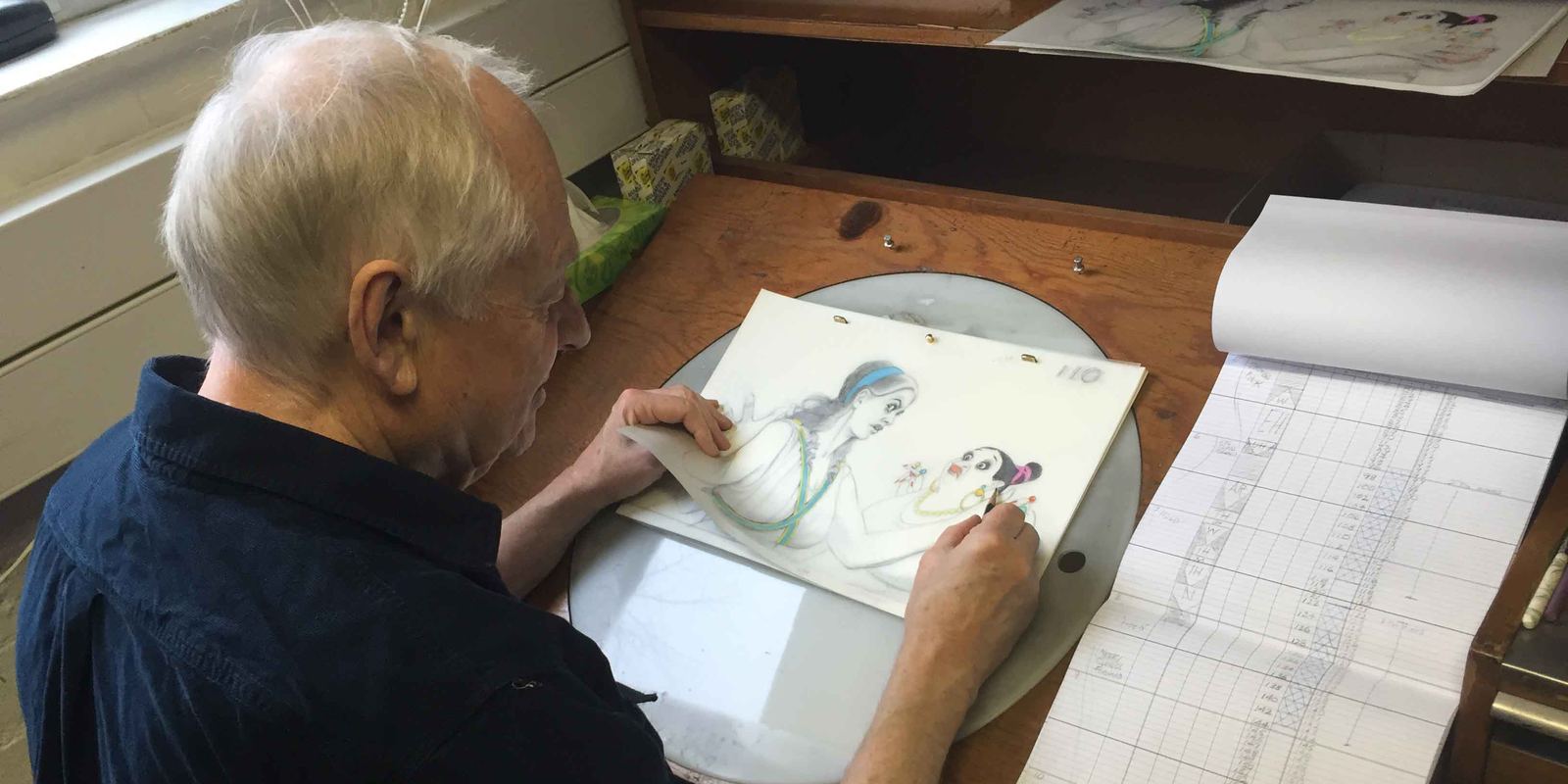
Richard Williams drawing, 2015: alexander williams, CC BY-SA 4.0
A Canadian in London
Richard Williams was born in Toronto and became fascinated by animation after seeing Snow White as a child. He moved to Britain in the 1950s, where his short film The Little Island (1958) won attention. He set up a studio in London that made award-winning commercials and title sequences, including animated titles for comedy films of the 1960s and 1970s.
Learning from the masters
Although already successful, Williams felt he had much to learn about classic character animation. He invited veteran Hollywood animators, such as Ken Harris from the Warner Bros. cartoons and Art Babbitt from Disney, to teach and work at his studio. Their lessons shaped his own approach and, later, his famous book.
Who Framed Roger Rabbit
Williams's half-hour A Christmas Carol (1971) won the Oscar for animated short. His biggest public success was as animation director of Who Framed Roger Rabbit (1988), in which hand-drawn characters share the screen convincingly with live actors, casting real shadows and handling real objects. He received a special achievement Oscar and shared the visual effects Oscar for the film.
The Thief and the Cobbler
For decades Williams worked on his dream project, The Thief and the Cobbler, a film of astonishingly complex hand-drawn animation. Money ran out in the early 1990s and the film was taken away and finished by others in a version he did not approve. Fans later assembled restorations from his original work.
The Survival Kit
In 2001 Williams published The Animator's Survival Kit, which explains timing, spacing, walks, runs and acting with hundreds of drawings. It is used in animation schools around the world. His last film, the short Prologue (2015), was nominated for an Oscar. See the animators A to Z for more great teachers.
Lessons from the Survival Kit
Williams's big lesson was that animation is about timing and spacing, not just drawing. He showed how changing the gaps between drawings changes the weight and mood of a movement, how walks reveal personality, and why animators should act scenes out themselves. He also stressed that every great animator keeps learning, as he did when he invited older masters to teach him in his own studio.
Did you know? His studio produced animated title sequences and commercials that kept the business running while he worked on his personal projects.
- Richard Williams drawing, 2015: alexander williams, CC BY-SA 4.0
Text written by Fantastic Cartoon.