A Short History of Anime
From 1917 shorts to global hits. Japanese animation began in 1917 and grew into a worldwide culture. The early pioneers, Astro Boy, Studio Ghibli and anime's Oscar wins.
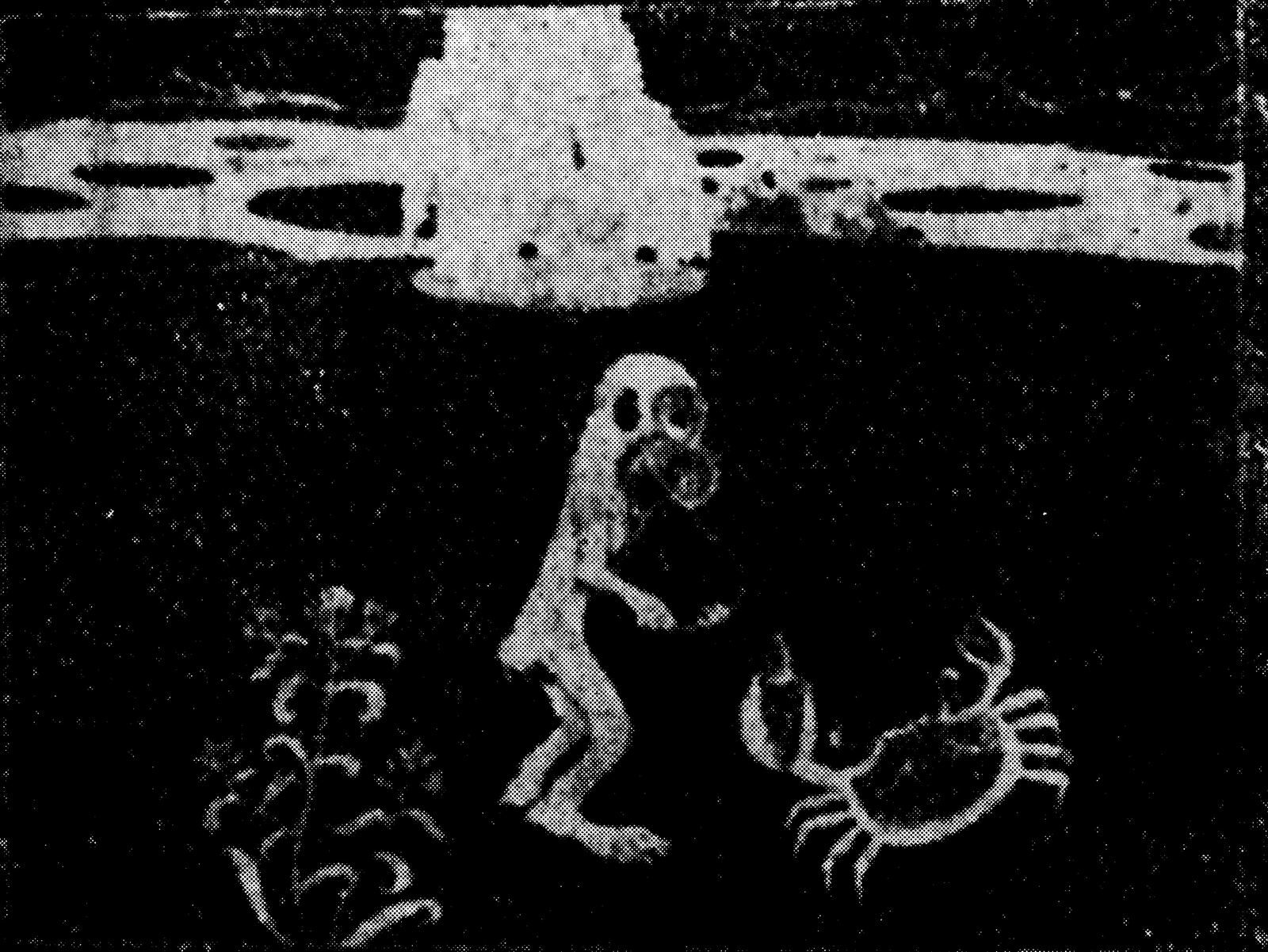
Kitayama's 1917 film: 北山清太郎, Public domain
The fathers of anime
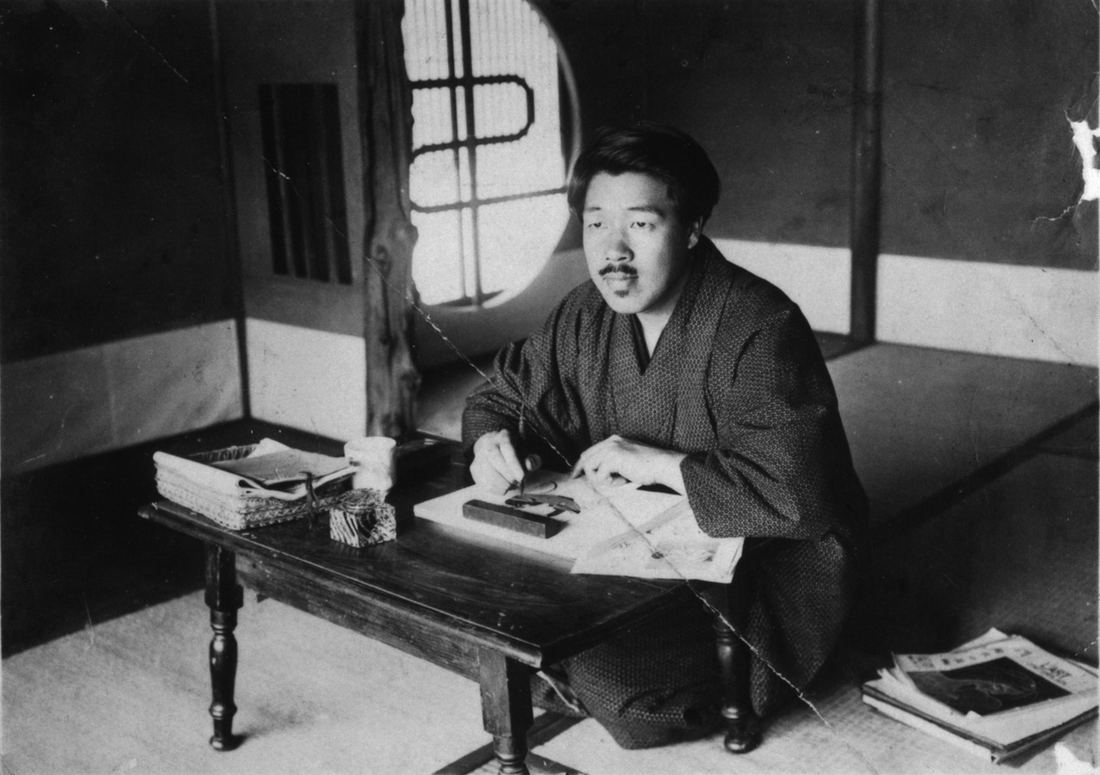
Western cartoons reached Japanese cinemas around 1914, and by 1917 Japanese artists were making their own. Three men are often called the fathers of anime: Oten Shimokawa, a magazine cartoonist; Jun'ichi Kouchi; and Seitaro Kitayama, who set up his own animation studio. Their early films often retold folk tales, such as Kitayama's version of the monkey and crab story.
Many of these films were lost, including much of Kitayama's studio in the 1923 Tokyo earthquake. The oldest surviving one, Kouchi's comedy Namakura Gatana, was released on 30 June 1917 and rediscovered in an Osaka antique shop in 2008.
Studios and television
Toei Animation produced Hakujaden in 1958, the first colour anime feature. Soon after, the manga artist Osamu Tezuka founded Mushi Production, and his Astro Boy premiered on Fuji TV on 1 January 1963. It was one of the first major anime television series, and it also reached American screens the same year.
Weekly TV schedules were demanding, so Japanese studios became experts in limited animation: fewer drawings, held poses, moving backgrounds and bold camera work. Instead of a weakness, these tricks became part of the distinctive anime style.
Ghibli and the world stage
In 1985 Hayao Miyazaki and Isao Takahata, with producer Toshio Suzuki, founded Studio Ghibli. Its films brought hand-drawn detail and gentle, thoughtful stories to huge audiences. Spirited Away shared the top prize at the 2002 Berlin Film Festival and won the Academy Award for Best Animated Feature in 2003. The Boy and the Heron won the same award in 2024.
By then anime had become a global culture, with streaming services, conventions and fans in almost every country.
How anime is made
Anime production has its own habits. Key animators draw the main poses and in-between artists complete the movement, often across several partner studios. Backgrounds are usually hand-painted or painted digitally in great detail. Voice actors in Japan, called seiyu, often record to finished or nearly finished footage, which is different from many American productions, where voices are recorded first.
Most anime is now drawn and coloured digitally, but the craft still follows the frame-by-frame thinking of those 1917 pioneers.
Words every anime fan meets
Anime credits use a few terms worth knowing. Genga are the key animation drawings that set the main poses. Douga are the in-between drawings that complete the motion. A sakuga moment is a scene with especially impressive animation, often shared and studied by fans.
Watching for these can change how you see a series. Many fans now follow individual key animators from show to show, the way film fans follow a favourite director.
- Kitayama's 1917 film: 北山清太郎, Public domain
- Seitaro Kitayama: Unknown, Public domain
Text written by Fantastic Cartoon.